No single schedule fits every house
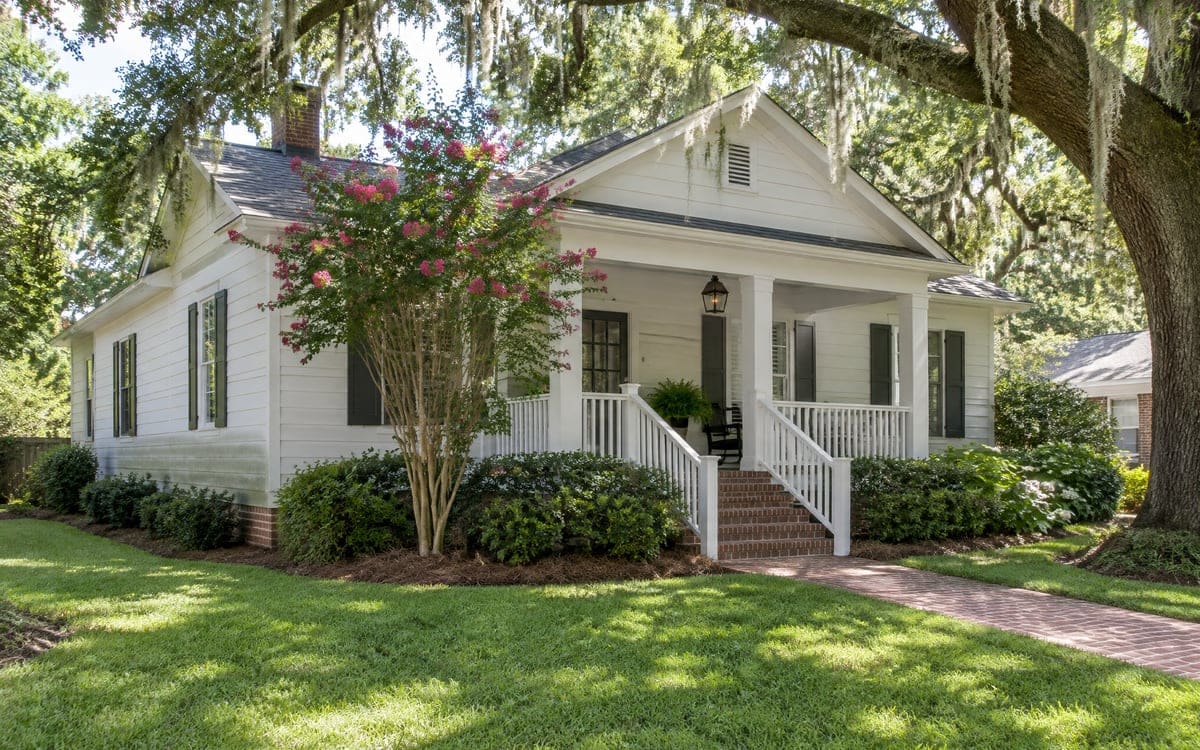
Houses on the same street can look very different depending on what each one has going on. Shade, tree cover, the siding type, the color of the paint, how the house is oriented and when the gutters were last cleared all pull the look in different directions. A ranch under live oaks on the shady side of the block will show its film earlier than a two-story on an open corner lot, and two houses that look identical from the front can read very differently once you walk around the back.
Humidity runs high most mornings
A Baton Rouge wall sits in damp air most mornings. The city's average relative humidity is 89 percent in the morning and 59 percent in the afternoon over the year, and August mornings average 93 percent.
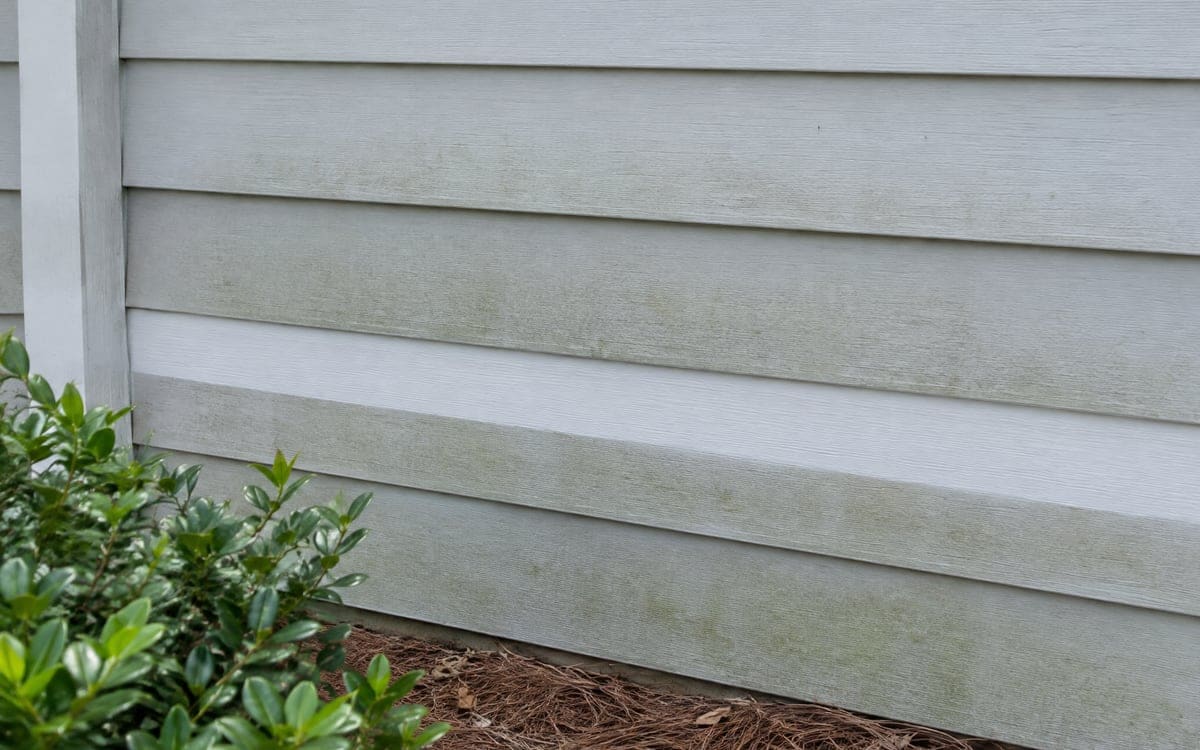
Mold and mildew are fungi that grow in warm, damp, humid conditions, and those conditions are hard to escape in Louisiana. That is why the shady north wall and the back of the garage, the spots that stay damp longest after a morning, show a gray-green film long before the sunny front does.
Rain falls on more than 100 days a year
The airport averages about 114 days a year with measurable rain and about 19 days with an inch or more. Over the course of a year, the city sits under 61.94 inches of rain under the 1991 to 2020 normals, up from 60.65 under the previous normals. Rain rinses off some things but leaves others behind, especially the fine dust and pollen that stick to a damp wall and the mildew-type film in the shade that does not wash off from above.
June is Baton Rouge's wettest month on average (6.45 inches), followed by August (6.37) and January (6.36); November is the driest (3.90). The shady walls are the ones to check after the wet months.
Shady walls show it first in Baton Rouge
The north side of the house, the side under the big oak, the back wall of a garage, the stretch of soffit the sun does not reach: these are the places to look. A thin green or gray film on the vinyl just below a window usually starts there. Cobwebs collect in the same corners. Mildew along the trim near the garage overhead door often appears before anything else. If you want a short way to know whether it is time for a house wash, walk around the house and look at the shady side closely. A film visible from the yard, especially one that stretches along a whole wall rather than a single corner, is the sign most people call about.
The sun-facing walls can look fine from the street while the back of the house tells a different story.
Siding type changes what you see
Different sidings weather differently. Vinyl shows a thin film and holds it until it is washed. Fiber cement collects pollen in its texture and shows less film but more dust. Painted wood weathers more where the paint is older, and a sun-faded south wall can look dirty just because the paint has chalked. Brick shows mildew most strongly in the mortar lines, especially on the shady side. Stucco holds dust until a wash lifts it off, and it is more sensitive to pressure than most people assume.
The method for each surface is not the same, and which method a wall gets is a question the crew answers before the wash starts. On most of these surfaces, a soft wash is the method of choice for the walls themselves.
Older houses and their paint need a closer look
Older homes make this question more careful, not less. The median Baton Rouge home was built in 1976. Paint on an older house may be in several layers, some of them softer than others. The wall is still worth washing, but how often depends partly on how the paint is holding up. If paint is peeling or chalky, the wash is not the first step; the wash will not help flaking paint, and paint removal is a painter's work.
Older brick walls want a careful eye on the mortar lines. A soft wash on brick is almost always the right call.
The signs it is time
Signs that bring a house wash onto the list:
- The shady side has a visible gray-green film across the vinyl or stucco.
- The siding on the back of the house looks darker than it did last year.
- Cobwebs are collecting under the eaves and around porch lights.
- The soffits look darker than you remember them.
- The front of the house looks clean, but the back is dingy.
- A storm or a long dry spell left a layer of yellow pollen on the walls.
Any one of these is a sign to walk the whole house. A couple of them together is a sign to call.
| What you see | Where it shows first | What it usually means |
|---|---|---|
| Gray-green film | Shady side siding, soffits | Mildew-type film from damp air |
| Streaks on the roof | The shaded side of the roof | Algae on the shingles |
| Dark lines on gutter fronts | Along the gutter edges | Oxidation and street dirt build-up |
| Rust lines on brick or concrete | Below rail posts, screws | Metal fasteners weeping in rain |
| Yellow dust layer | Window ledges, patio rail tops | Settled pollen |
| Film on the deck | Shady boards or under furniture | Dust and mildew on the deck surface |
Each of these can be matched to a surface and a method. If you want a sense of how the roof fits in the plan alongside the walls, treat it as its own line.
Washing before a sale, a party or a paint job
Three moments make the question easier. If you are putting the house up for sale, the walls, the drive and the front steps are the first thing a buyer sees from the curb, so a wash before listing is common. If you have a party, a graduation or a weekend of family coming, the front steps and the back patio are usually what you want cleaned. If you are planning to paint, the house gets washed before the painter arrives, because paint sticks better to a clean wall. In any of these, the time of year matters less than the deadline.
The deck and fence can be added to a house wash too. They do not have to come up every time, and whether they go on the quote depends on what the boards look like when the crew walks the yard.
Asking for a look
Rather than guessing, calling and asking us to look is often the simplest step. We can walk the house with you, point out what each wall is showing and tell you which surfaces are ready for a wash and which can wait. A visit does not have to turn into a job. A plan for later is a fine outcome. If a quote comes together, what moves the price of a wash walks through how the number is built.